


Healthy Teeth
Healthy Family
Healthy Life


Billerica’s Premier Dental Service Provider
You deserve a healthy and attractive smile. At Merry Dental, you can find the comprehensive care you and your loved ones need to improve and sustain your oral health. Your family can keep their smiles looking great with help from our compassionate, experienced, and skilled professionals.
Pain Free Dentistry. Calm, stress-free dental experience

Oral care for all ages, including those as young as 1 year old

High-quality services from a team that cares about your comfort

A variety of cosmetic and restorative treatments
Dentist Billerica
You and your loved ones deserve the best dental care that you can find. At Merry Dental, you can count on quality care from a compassionate team committed to your long-term oral health. We offer preventive, restorative, and cosmetic treatments so you can sustain, revive, and improve your smile. As your oral health needs change, you can find services to help you at every stage of life at our practice.
Dr. Marjan Fakhri, Dr. Bardia Navid, and the rest of our dental professionals want to keep you smiling. Call 978-404-5400 or schedule online to make an appointment and discover what we can do for you.
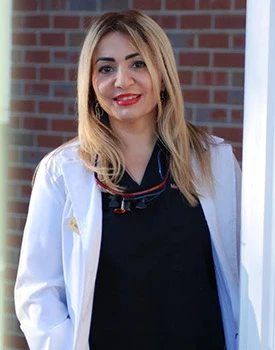
We Care For Your Smile With Quality General Dentistry
At Merry Dental, we put your comfort and satisfaction before all else. We have made it our mission to help patients achieve their healthiest and most beautiful smiles possible by providing the finest advanced cosmetic and restorative dentistry. We are dedicated to creating a relaxing yet professional environment for patients of all ages, and we strive to be on a first-name basis with anyone who walks in for care. We are well established in the community and have been at the same location for over 40 years.
Our team offers a level of oral care you won’t find at many other practices. We have a blend of training, experience, and compassion to help you and the people you love avoid problems whenever possible.
If something does go wrong, our restorative care, including dental implants, can rebuild and replace your teeth. You also can improve your smile with our cosmetic services, such as teeth whitening, dental veneers, Botox®, and Invisalign orthodontic treatment.

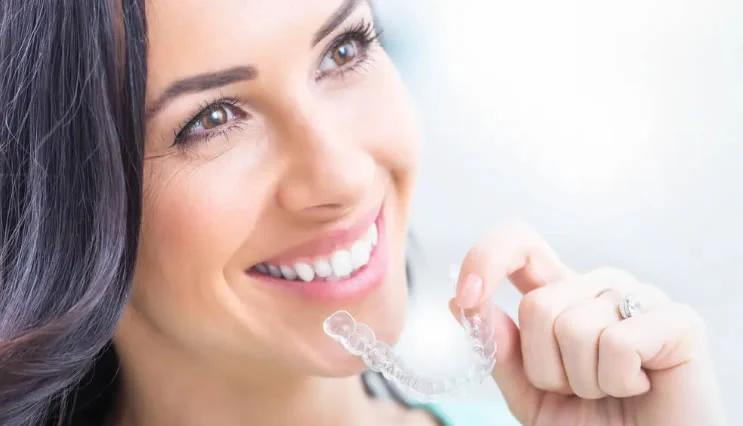
Invisalign
Invisalign® clear aligners offer a modern solution for straightening teeth without the need for traditional metal braces. Say goodbye to unsightly brackets and wires and hello to the clear, comfortable, and discreet way to achieve your dream smile. smile.


COSMETIC DENTISTRY
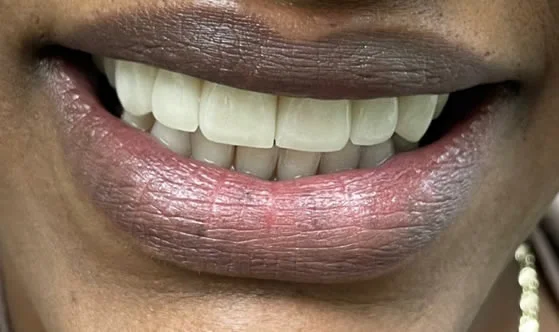
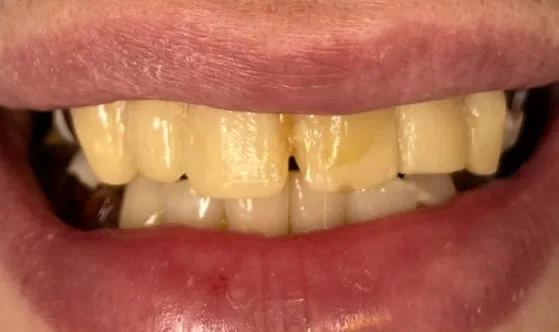
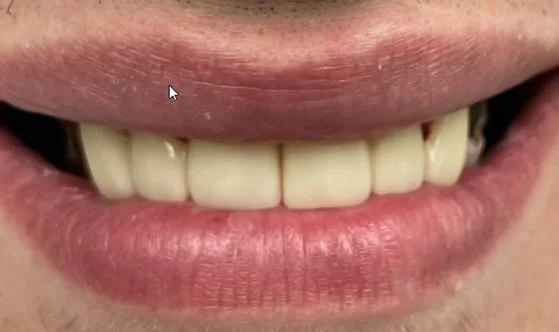
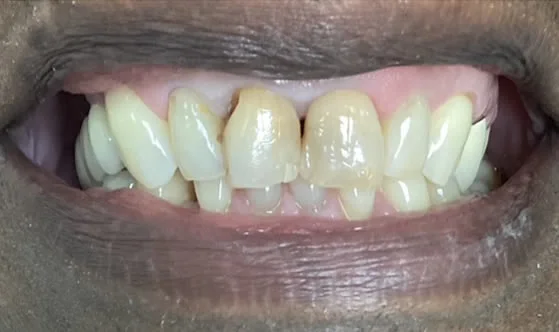
If you feel embarrassed by how your teeth look, cosmetic dentistry may be a great option. The modern dental procedures and techniques used by Dr. Marjan can remove imperfections and create a fabulous, new image. With a customized plan and advanced materials, Dr. Marjan will completely revitalize your oral health and appearance.

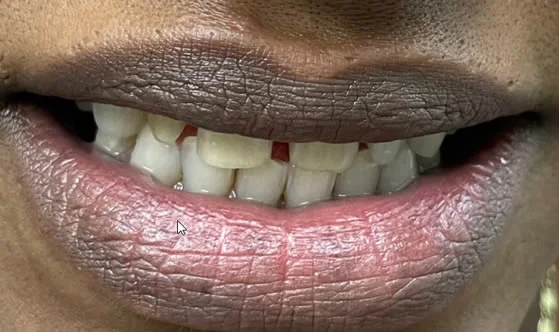
Smile Gallery
Actual Patients
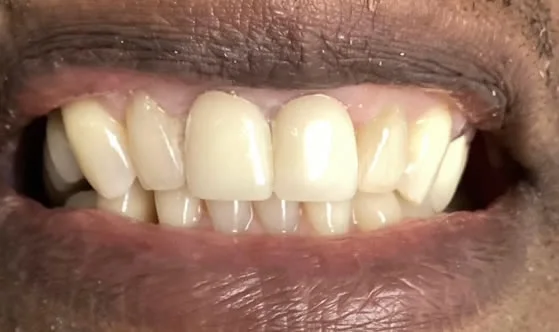
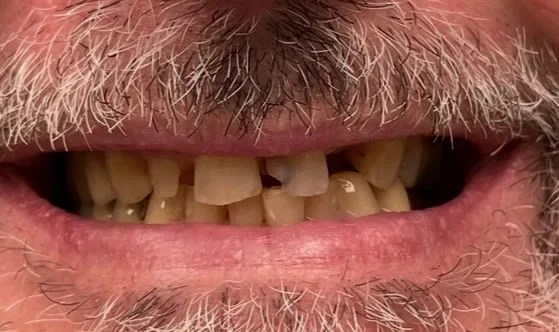
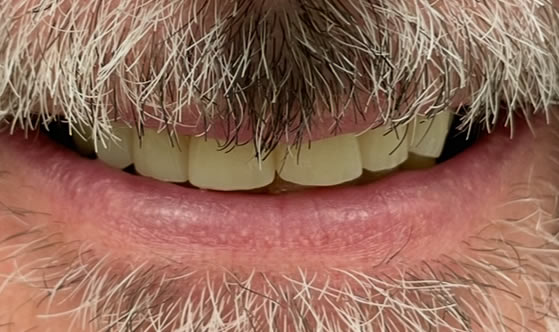
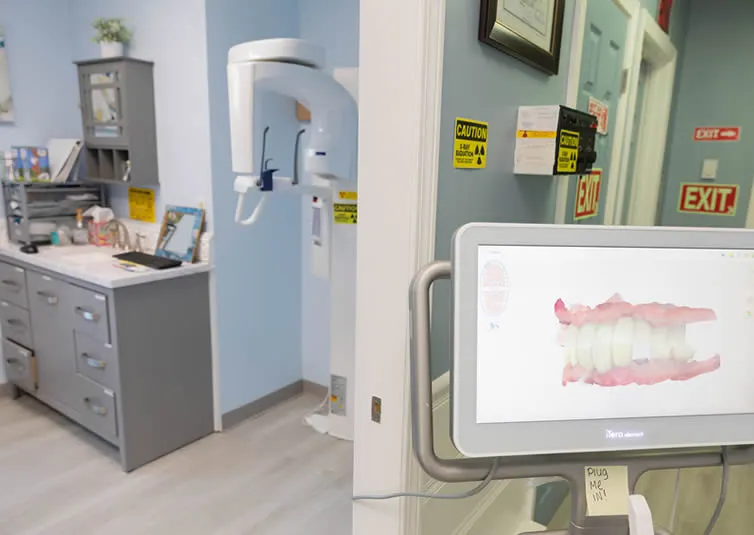
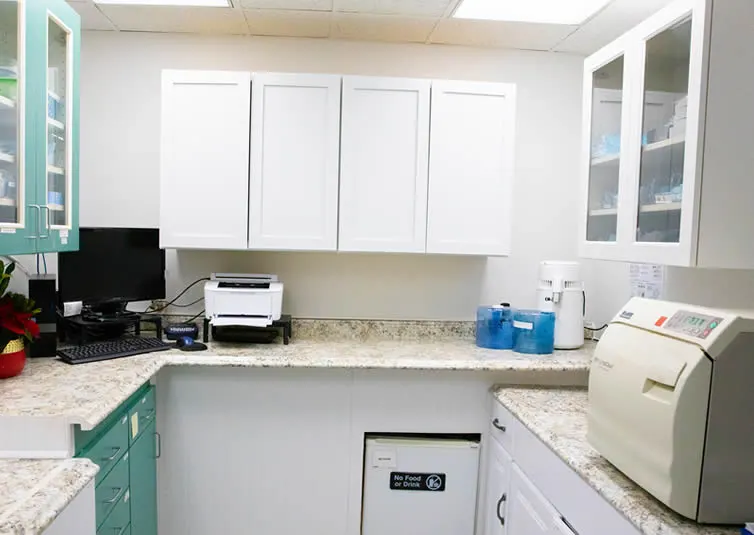
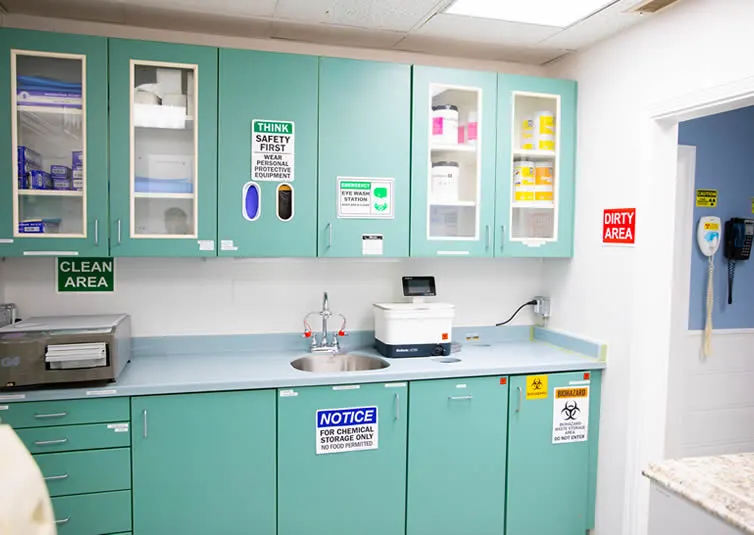
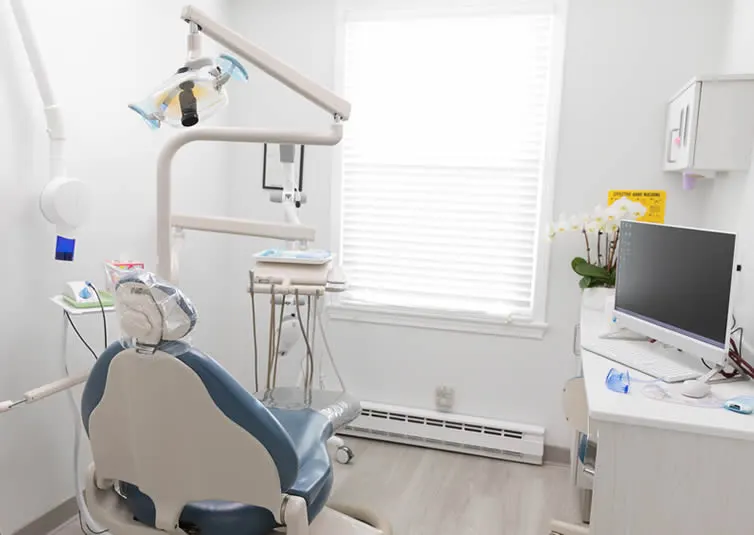
Advanced Dental Office
Right here in Billerica
Our Patient Reviews


Shabnam A
Google Review
Patients since 1989
Debbi Fonseca
Google Review
Patient since 2002

Kyle Fonseca
Google Review
High Quality Layouts
Paying for Your Care
At Merry Dental, we believe quality dental care should be accessible and affordable for everyone. We accept most dental insurance plans and offer flexible payment options to fit a wide range of budgets. In addition, we welcome CareCredit and the Merry Dental discount plan. During your visit, our knowledgeable team will gladly help you explore the best financial options to make your care easy and stress-free.












We are in-network providers with most major dental insurance companies. If you dont see your insurance listed, please call us to confirm coverage.

NO INSURANCE, NO PROBLEM
Get the care you need with our in-house dental plan.